
From BOM to finance, without four systems in between
ERP, storefront, warehouse and finance each running on their own, with people reconciling the numbers by hand — that is daily life at many SMEs. HG Hub is not another system to sell you; it puts the apps you need into one workspace so the whole chain from BOM to finance runs in one place.
On Monday morning the boss asked one question: “Those orders this month — where are they now?”
Sales said they were waiting on purchasing. The warehouse said a batch had not been received yet. Finance said nothing had appeared as receivable. Three people opened three systems and gave three versions. The meeting ended; the orders had not moved.
This is not one company’s problem. Past a certain size, many SMEs grow a jigsaw: an ERP, a storefront, a warehouse run on spreadsheets, finance on another tool, attendance and approvals somewhere else. Each system works on its own; together they do not recognise each other. Data is exported, reconciled and remembered by people — and when the person leaves, the books break.
The problem is not too few systems — it is that they do not talk
Buying a system used to answer “does this department have a tool”. The question now is “can the whole company see the same chain”. Sales needs stock, production needs orders, finance needs to know which batch each receivable belongs to. If one step still passes through a spreadsheet, the chain breaks there.
Adding another system usually just moves the break somewhere else.
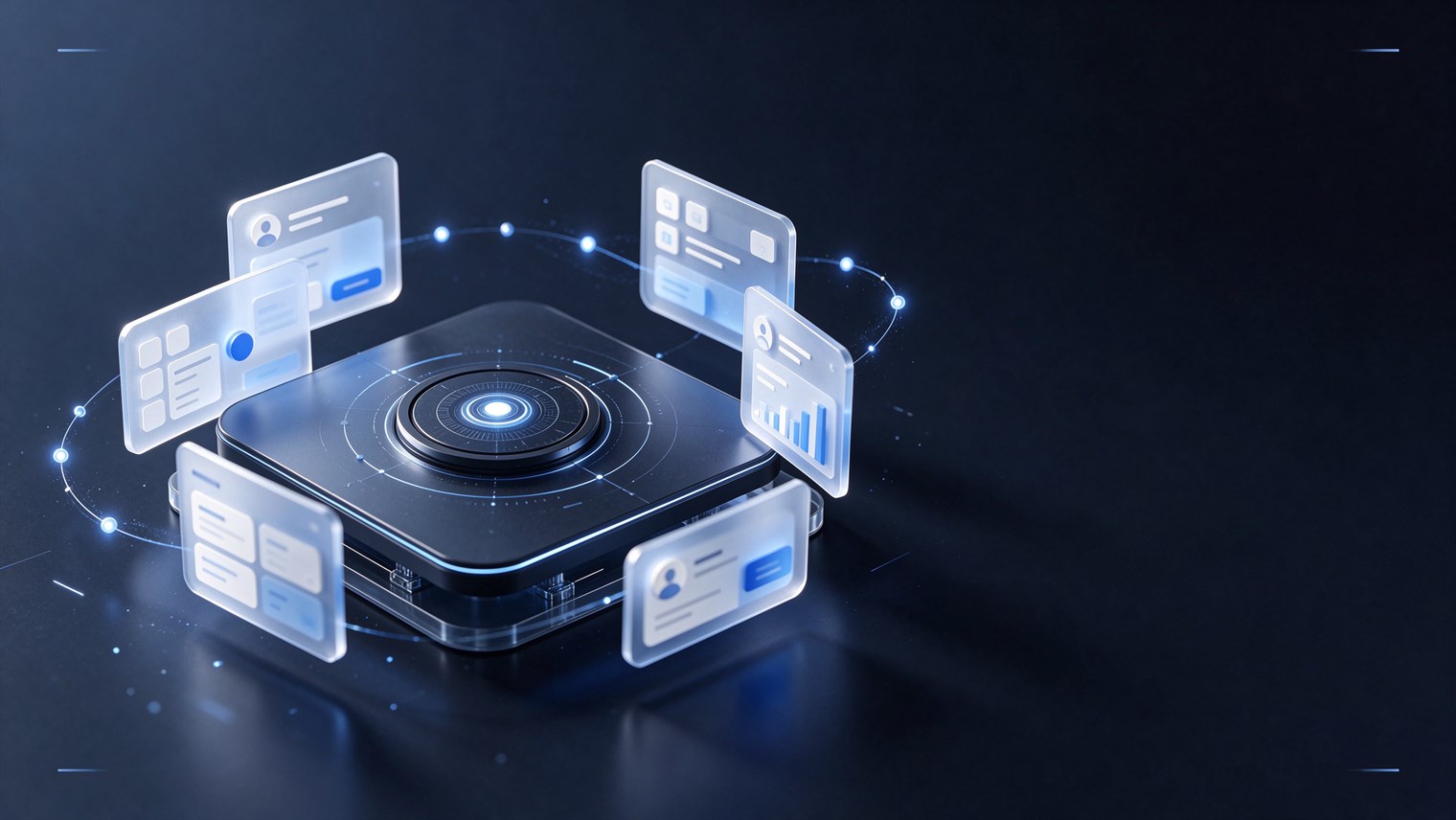
It puts the systems into one workspace
What HG Hub does is put the capabilities you need into one workspace first, instead of asking a company to tear down what it already runs.
ERP, storefront, production, warehouse, purchasing, finance, logistics, commissions and service all exist as apps inside HG Hub. Like apps on a phone: install what you need, leave out what you do not; connect existing systems where they can be connected, and custom line-of-business systems can hang in as an app too.
One platform, one login, one permission model. People, departments, roles, to-dos and operation logs sit in the same place. A new hire does not have to learn four sets of login rules, and management does not open every meeting by asking which system is the source of truth.
One chain, from BOM to finance
Bill of materials → production plan → purchasing → production → goods receipt → sales → outbound → logistics → finance.
Almost every company has these nine steps; they are just scattered across systems. HG Hub puts them on one line: change the BOM and purchasing, costing and finance use the same numbers; goods arrive and sales sees the stock it can promise; an order ships and finance knows which receivable to book.
The owner sees one order end to end, finance sees the full trail of one transaction, the warehouse sees the same batch move in and out. Everyone works from one set of data instead of reconciling three reports.
Three kinds of company, three ways to use it
Manufacturers: start from BOM and production planning, then connect purchasing, production, goods receipt and finance. The direct change is that cost and lead time are known before you accept an order, instead of promising first and asking the shop floor afterwards.
Trading companies: purchasing, sales, stock and reconciliation on one line. How much a customer owes, how long a batch has been sitting, where this month’s margin comes from — visible without waiting for the month-end report.
Retail brands selling online and offline: storefront, stores and warehouse share one stock pool. What sells online is not sold again in a store; what a store transfers out does not oversell online.
One workspace that starts with people
Log in and the first thing you see is what needs handling today: to-dos, overdue items, recent activity. My apps sit alongside, with forms, ERP and line-of-business apps each on a card. People, departments, permissions and operation logs live in the same back office, so who changed what and when stays on record.
None of this is glamorous, but for a company it matters: systems can be replaced and people can move; the continuity of the record cannot break.
What it is not
It is not a system that solves everything. Special processes, special settlement rules and unusual site workflows still need their own analysis, and a custom build when necessary.
It does not ask you to replace every system you run. Keep what can be kept, integrate what can be integrated, connect the most painful stretch of the chain first, then add the next.
It suits SMEs that already run several systems, whose data has started to disagree, and whose management wants the whole chain in view. If all you need today is bookkeeping, or your processes are not stable yet, do not rush onto a platform.
Connect the most painful stretch first
Software should adapt to the company, not the other way round.
If you are still reconciling spreadsheet against spreadsheet, or holding a monthly meeting about which system is the source of truth, start with one painful stretch: orders, stock, finance — connect one segment first. Once it runs, add the next.
HG Hub is live and already carries custom apps. It does not ask you to buy everything at once; install the parts you actually need first.
If you want to know which part your business should install first, talk to us.